
Electrical BIM: A Comprehensive Guide || Simsona
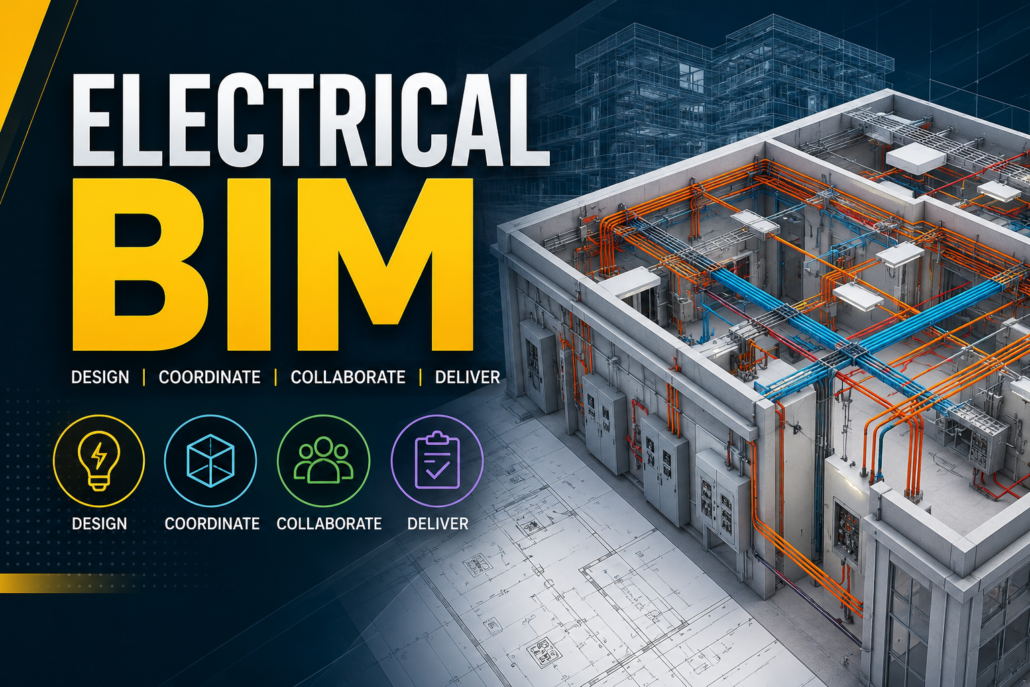
Electrical BIM (Building Information Modeling) has transformed the way electrical systems are designed, coordinated, analyzed, and managed throughout the lifecycle of a building. As construction projects become increasingly complex, traditional 2D drafting methods often lead to design conflicts, installation errors, project delays, and increased costs. Electrical BIM addresses these challenges by creating intelligent 3D digital models that integrate electrical components, systems, and data into a unified project environment.
What is Electrical BIM?
Electrical BIM refers to the process of creating and managing intelligent digital representations of a building’s electrical infrastructure using BIM technology. It involves developing detailed 3D models that contain not only the physical geometry of electrical components but also valuable information such as specifications, performance data, manufacturer details, maintenance requirements, and installation instructions.
Unlike conventional CAD drawings that primarily represent lines and symbols, Electrical BIM models contain intelligent objects such as lighting fixtures, switchboards, transformers, conduits, cable trays, switches, outlets, generators, and electrical panels. Each element within the model carries embedded data that can be accessed and updated throughout the project lifecycle.
Electrical BIM serves as a collaborative platform where architects, structural engineers, mechanical engineers, contractors, and facility managers can coordinate their work, ensuring that electrical systems are accurately designed and integrated with other building systems.
Evolution of Electrical BIM
The electrical engineering industry has evolved significantly from manual drafting boards to sophisticated BIM-based workflows. Traditionally, electrical engineers relied on 2D drawings to communicate design intent. While effective for simpler projects, these drawings often created coordination challenges when multiple disciplines worked simultaneously.
The introduction of BIM technology revolutionized electrical design by enabling professionals to create intelligent 3D models that provide better visualization, improved coordination, and enhanced project management. Today, Electrical BIM is widely used in commercial buildings, hospitals, airports, industrial facilities, educational institutions, data centers, residential complexes, and infrastructure projects.
The increasing adoption of smart buildings, sustainable construction practices, and digital transformation initiatives has further accelerated the demand for Electrical BIM services across the global construction industry.
Key Components of Electrical BIM
Power Distribution Systems
Power distribution forms the backbone of any electrical BIM model. It includes the modeling of transformers, switchgear, distribution boards, panel boards, feeders, and electrical circuits. BIM allows engineers to visualize power distribution routes and optimize system layouts for efficiency and safety.
Detailed modeling helps ensure that electrical loads are properly distributed and that equipment is installed according to design standards and regulations. Engineers can also perform load analysis and identify potential issues before construction begins.
Lighting Systems
Electrical BIM enables the accurate modeling of interior and exterior lighting systems. Lighting fixtures are placed within the model according to illumination requirements and architectural layouts.
The BIM environment allows engineers to analyze lighting performance, calculate illumination levels, evaluate energy consumption, and optimize fixture placement. This ensures compliance with lighting standards while improving occupant comfort and reducing operational costs.
Cable Tray and Conduit Systems
Cable trays and conduits serve as pathways for electrical wiring throughout a building. Electrical BIM facilitates detailed modeling of these systems, helping engineers determine optimal routing while avoiding clashes with structural and mechanical components.
Accurate modeling minimizes installation challenges, improves material estimation accuracy, and ensures compliance with safety regulations.
Fire Alarm Systems
Modern buildings require sophisticated fire alarm and life safety systems. Electrical BIM supports the design and coordination of fire alarm devices, smoke detectors, control panels, notification appliances, and emergency communication systems.
By integrating fire alarm systems within the BIM model, designers can verify proper device coverage and ensure coordination with other building services.
Low Voltage Systems
Electrical BIM also includes low voltage systems such as:
- Data and communication networks.
- CCTV surveillance systems.
- Access control systems.
- Public address systems.
- Building management systems.
- Intrusion detection systems.
- Audio-visual systems.
These systems are modeled and coordinated alongside power distribution infrastructure to ensure seamless integration.
Electrical BIM Workflow
Project Information Gathering
The Electrical BIM process begins with collecting project requirements, architectural drawings, structural models, mechanical layouts, design criteria, and client specifications. This information forms the foundation for developing the electrical model.
Creation of BIM Model
Electrical engineers create a detailed 3D model using BIM software. Components such as panels, conduits, cable trays, fixtures, and electrical equipment are inserted into the model according to project requirements.
Each element contains embedded information that supports design, construction, and facility management activities.
Coordination and Clash Detection
One of the most significant advantages of Electrical BIM is multidisciplinary coordination. Electrical systems are integrated with architectural, structural, plumbing, and HVAC models.
Advanced clash detection tools identify conflicts between systems before construction begins. For example, a cable tray passing through a structural beam or conflicting with ductwork can be detected and resolved during the design stage.
Analysis and Validation
The BIM model undergoes various analyses, including:
- Electrical load calculations.
- Voltage drop analysis.
- Short circuit analysis.
- Lighting calculations.
- Energy consumption assessments.
- Emergency power evaluations.
These analyses help validate system performance and ensure compliance with project requirements.
Documentation and Construction Drawings
Once the model is finalized, BIM software automatically generates construction documents, including:
- Electrical floor plans.
- Power layouts.
- Lighting layouts.
- Cable tray drawings.
- Panel schedules.
- Single-line diagrams.
- Equipment schedules.
- Installation details.
Since drawings are generated directly from the model, consistency and accuracy are significantly improved.
Benefits of Electrical BIM
Improved Design Accuracy
Electrical BIM provides a highly detailed representation of electrical systems, reducing design errors and omissions. Engineers can visualize the entire system before construction, leading to more accurate and reliable designs.
Enhanced Coordination
Electrical BIM enables seamless collaboration among project stakeholders. Architects, engineers, contractors, and owners can work within a shared environment, improving communication and reducing misunderstandings.
Effective Clash Detection
Traditional construction projects often encounter clashes during installation. BIM identifies these conflicts early, preventing costly rework and construction delays.
Better Visualization
Three-dimensional visualization helps stakeholders understand complex electrical systems more clearly than traditional 2D drawings. Clients can review designs and provide feedback before construction begins.
Accurate Quantity Takeoffs
Electrical BIM automatically extracts quantities of materials such as conduits, cables, fixtures, and equipment. This improves cost estimation accuracy and supports procurement planning.
Reduced Construction Costs
By minimizing design errors, avoiding clashes, and improving project coordination, Electrical BIM significantly reduces construction costs and improves project profitability.
Faster Project Delivery
Efficient workflows, automated documentation, and improved coordination help accelerate project timelines and support timely project completion.
Improved Facility Management
The BIM model remains valuable after construction. Facility managers can use it to access equipment information, maintenance schedules, warranty details, and operational data throughout the building’s lifecycle.
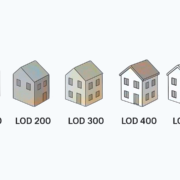
Electrical BIM Levels of Development (LOD)
LOD 100 – Conceptual Design
At this stage, electrical systems are represented conceptually. Basic locations and approximate capacities are identified without detailed specifications.
LOD 200 – Schematic Design
Electrical components are modeled with approximate geometry and general system information. Engineers begin evaluating system layouts and routing strategies.
LOD 300 – Detailed Design
Components are modeled with accurate dimensions, locations, and specifications. The model becomes suitable for coordination and construction documentation.
LOD 350 – Coordination Level
Additional details are included to support multidisciplinary coordination. Connections and interfaces with other building systems are clearly represented.
LOD 400 – Fabrication and Construction
The model contains fabrication-level details suitable for installation and prefabrication activities.
LOD 500 – As-Built Model
This represents the final installed condition of electrical systems and serves as a valuable resource for facility management and operations.
Software Used in Electrical BIM
Several BIM software platforms support electrical design and modeling, including:
- Autodesk Revit.
- Navisworks.
- AutoCAD MEP.
- BIM 360.
- Trimble SysQue.
- MagiCAD.
These tools facilitate modeling, analysis, coordination, documentation, and project collaboration.
Applications of Electrical BIM
Electrical BIM is widely applied across numerous sectors, including:
- Commercial buildings.
- Residential developments.
- Hospitals and healthcare facilities.
- Airports and transportation hubs.
- Educational institutions.
- Industrial plants.
- Manufacturing facilities.
- Data centers.
- Hotels and resorts.
- Government buildings.
- Infrastructure projects.
Each project type benefits from improved design coordination, enhanced visualization, and efficient project execution.
Challenges in Electrical BIM Implementation
Despite its advantages, Electrical BIM implementation may face certain challenges:
- Initial software investment costs.
- Training requirements for BIM professionals.
- Development of standardized workflows.
- Data management complexities.
- Interoperability issues between software platforms.
- Resistance to organizational change.
However, these challenges are generally outweighed by the long-term benefits achieved through improved efficiency and reduced project risks.
Future of Electrical BIM
The future of Electrical BIM is closely linked with emerging technologies such as Artificial Intelligence (AI), Digital Twins, Internet of Things (IoT), cloud collaboration, and smart building systems. Electrical BIM models are becoming increasingly intelligent, enabling real-time monitoring, predictive maintenance, energy optimization, and enhanced operational efficiency.
As sustainable construction and smart infrastructure continue to grow, Electrical BIM will play an even greater role in designing energy-efficient, resilient, and technologically advanced buildings.
Conclusion
Electrical BIM has become an essential component of modern construction and engineering projects. By creating intelligent 3D models that integrate electrical systems with architectural, structural, and mechanical disciplines, Electrical BIM improves design accuracy, enhances collaboration, reduces construction risks, and supports efficient facility management. From power distribution and lighting systems to fire alarms and communication networks, Electrical BIM provides a comprehensive approach to planning, designing, constructing, and operating electrical infrastructure. As digital construction technologies continue to evolve, Electrical BIM will remain a cornerstone of efficient and sustainable building development.
 301-774-0880